


 Miami, FL
Florida Condo Attorneys for Condo Owners
We Fight for Homeowners Against HOAs and Condo Associations
At Perez Mayoral, P.A., we proudly represent homeowners only – never HOAs or condominium associations. When your HOA or condo association crosses the line, our attorneys are here to fight for you, protect your rights, and help you take back your peace of mind.
Request a Consultation With an HOA Attorney
Your property. Your rights. Our fight. | Hablamos Español

Common Homeowners Association Issues
In Florida
Homeowners Association’s Duty to Maintain and Repair
Homeowners Associations (HOAs) are responsible for maintaining and repairing common areas and elements, such as roads, landscaping, recreational facilities, and shared building components. When an HOA neglects these duties, it can lead to unsafe conditions, community deterioration, and reduced property values. Disputes arise when the general neglect of these common areas results in a rundown environment or when the failure to maintain essential common elements directly causes damage to individual units, such as leaks from poorly maintained roofs.
If you are experiencing property damage or safety hazards due to your HOA’s failure to maintain and repair common areas or elements, our attorneys can help. We work diligently to hold HOAs accountable and ensure they fulfill their maintenance obligations to keep your community safe and well-maintained.
Property Damage Caused by HOA Negligence
Homeowners Associations (HOAs) are responsible for maintaining and repairing common areas and elements, such as roads, landscaping, recreational facilities, and shared building components. When an HOA neglects these duties, it can lead to unsafe conditions, community deterioration, and reduced property values. Disputes arise when the general neglect of these common areas results in a rundown environment or when the failure to maintain essential common elements directly causes damage to individual units, such as leaks from poorly maintained roofs.
If you are experiencing property damage or safety hazards due to your HOA’s failure to maintain and repair common areas or elements, our attorneys can help. We work diligently to hold HOAs accountable and ensure they fulfill their maintenance obligations to keep your community safe and well-maintained.
HOA Governance & Transparency Issues
Homeowners Associations (HOAs) are responsible for maintaining and repairing common areas and elements, such as roads, landscaping, recreational facilities, and shared building components. When an HOA neglects these duties, it can lead to unsafe conditions, community deterioration, and reduced property values. Disputes arise when the general neglect of these common areas results in a rundown environment or when the failure to maintain essential common elements directly causes damage to individual units, such as leaks from poorly maintained roofs.
If you are experiencing property damage or safety hazards due to your HOA’s failure to maintain and repair common areas or elements, our attorneys can help. We work diligently to hold HOAs accountable and ensure they fulfill their maintenance obligations to keep your community safe and well-maintained.
HOA Rule & Covenant Enforcement Disputes
Homeowners Associations (HOAs) are responsible for maintaining and repairing common areas and elements, such as roads, landscaping, recreational facilities, and shared building components. When an HOA neglects these duties, it can lead to unsafe conditions, community deterioration, and reduced property values. Disputes arise when the general neglect of these common areas results in a rundown environment or when the failure to maintain essential common elements directly causes damage to individual units, such as leaks from poorly maintained roofs.
If you are experiencing property damage or safety hazards due to your HOA’s failure to maintain and repair common areas or elements, our attorneys can help. We work diligently to hold HOAs accountable and ensure they fulfill their maintenance obligations to keep your community safe and well-maintained.
HOA Assessment Disputes
Disputes over HOA assessments can occur when homeowners believe the charges are unjustified or excessive. These disputes often arise from a lack of transparency in how fees are calculated or spent, with homeowners questioning the necessity of certain assessments or how funds are being used, especially if the HOA fails to provide detailed financial reports or explanations.
Our firm has extensive experience in dealing with HOA assessment disputes and can assist you in challenging unfair or excessive fees. We work to protect your financial interests and ensure fair treatment under HOA regulations, helping you navigate the complex rules surrounding assessments.
Architectural Control Disputes
Many HOAs have architectural control committees that review and approve changes or additions to properties. Disputes arise when homeowners feel these committees are acting arbitrarily or unreasonably in denying or modifying requests, or when there are disagreements over the interpretation of community standards and guidelines. Homeowners may feel that their property improvements are being unfairly restricted or that the HOA is overstepping its authority.
If you are facing a dispute over architectural changes, our attorneys can help you navigate the approval process and challenge any unreasonable denials. We advocate for your right to make improvements to your property in compliance with community standards, ensuring fair treatment for all homeowners.
Selective Enforcement, Discrimination & Harassment
HOAs are obligated to enforce rules fairly and without discrimination, but issues can arise when associations engage in selective enforcement or discriminatory practices, such as imposing rules on certain homeowners while ignoring the same violations by others. Discrimination and harassment by board members or neighbors can also lead to legal action, especially if based on race, ethnicity, religion, or other protected characteristics.
Our attorneys are well-versed in laws protecting homeowners from discrimination and harassment. If you are experiencing unfair treatment or selective enforcement from your HOA, we are here to provide the legal support you need to ensure your rights are protected.
Neighbor Disputes
Disputes between neighbors in HOA communities can range from noise complaints to property boundary issues, and these conflicts can escalate when HOAs fail to enforce community rules impartially or do not effectively mediate. When direct resolution efforts fail or when the HOA does not adequately address the situation, legal intervention may become necessary to restore community harmony.
Our firm has substantial experience in resolving neighbor disputes in HOA communities. We work to find fair and effective solutions that protect your rights and maintain community harmony, ensuring that all parties are treated fairly.
Accidents & Personal Injuries
Inadequate maintenance of common areas by an HOA can lead to accidents and personal injuries, such as slip-and-fall incidents due to poorly maintained walkways or injuries resulting from inadequate security measures. If the HOA’s negligence in maintaining safety measures directly contributes to accidents, homeowners may be entitled to compensation for medical expenses, lost wages, and other damages.
If you’ve been injured due to the negligence of your HOA, our attorneys can help you pursue compensation for medical expenses, lost wages, pain and suffering, and other related damages. We are committed to holding HOAs accountable for maintaining safe community environments.
Video Resources
FOR FLORIDA HOMEOWNERS
If you are experiencing property damage or safety hazards due to your HOA’s failure to maintain and repair common areas or elements, our attorneys can help. We work diligently to hold HOAs accountable and ensure they fulfill their maintenance obligations to keep your community safe and well-maintained.


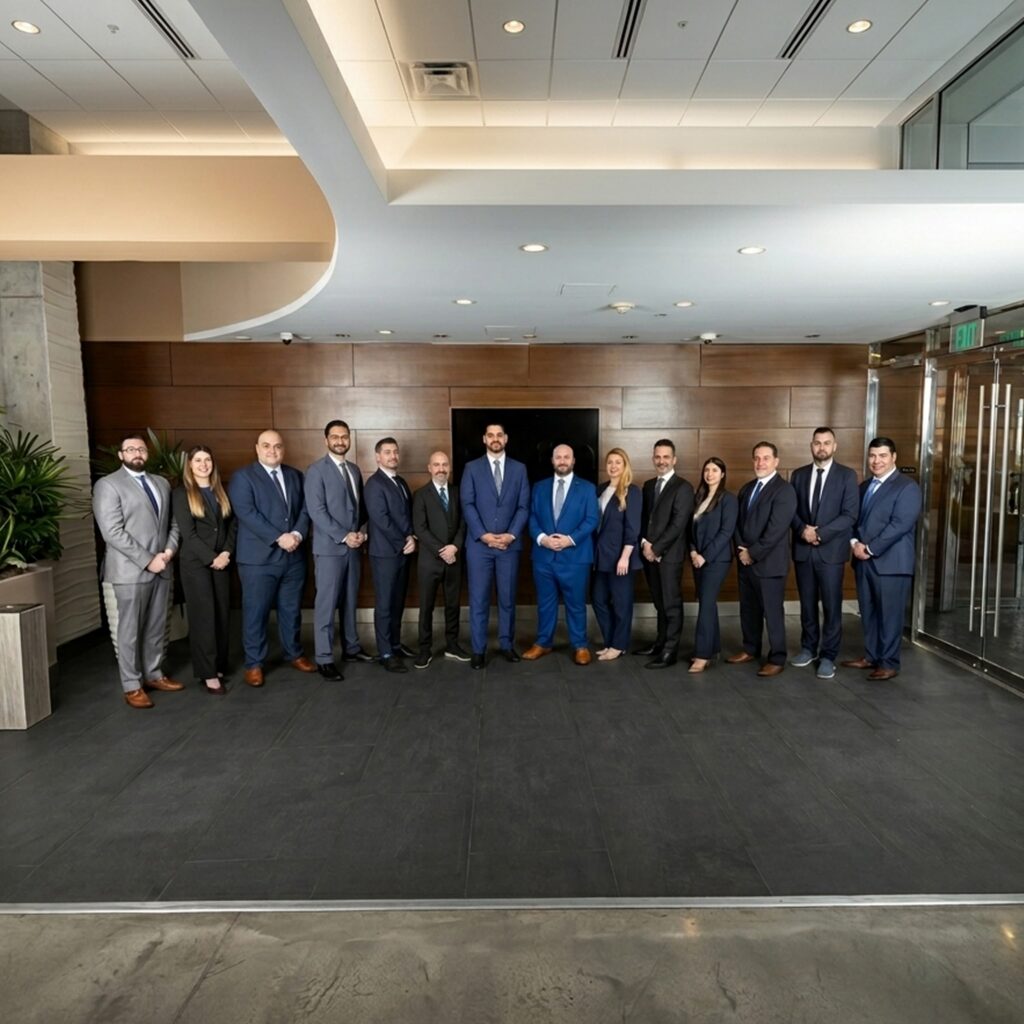
Contact us today for a case review.
HOA troubles turning your dream home into a nightmare? From maintenance failures and excessive fines to neighbor disputes, discrimination, and board governance issues, Perez Mayoral, P.A. is here to help. Our experienced attorneys will protect your homeowner rights and resolve your HOA conflicts. Don’t let these problems persist.
Frequently Asked Questions
About HOA Claims
Can I sue my HOA or Condominium Association for negligence in Florida?
Homeowners Associations (HOAs) are responsible for maintaining and repairing common areas and elements, such as roads, landscaping, recreational facilities, and shared building components. When an HOA neglects these duties, it can lead to unsafe conditions, community deterioration, and reduced property values. Disputes arise when the general neglect of these common areas results in a rundown environment or when the failure to maintain essential common elements directly causes damage to individual units, such as leaks from poorly maintained roofs.
If you are experiencing property damage or safety hazards due to your HOA’s failure to maintain and repair common areas or elements, our attorneys can help. We work diligently to hold HOAs accountable and ensure they fulfill their maintenance obligations to keep your community safe and well-maintained.
Is my HOA or Condominium Association responsible for repairing damage to my home?
The responsibility of an HOA or Condominium Association in Florida for repairing damage to your home largely depends on the nature of the damage, the cause of the damage, and the governing documents of the community. Here’s a breakdown based on different scenarios and legal frameworks:
- General Liability Principles: While the unit owners generally bear the responsibility for repairing damages within their own units, there are scenarios where the Association may be held liable. If the Association’s negligent repair and maintenance of common elements like the roof, walls, or pipes within the building caused property damage to individual units, then the Association may be liable to repair and/or pay for the repairs to the affected units. This liability could extend to covering costs such as lost rent if the unit was being rented out, expenses for alternative housing if the unit becomes uninhabitable, and compensation for lost personal property due to the damage. It’s the Association’s duty to maintain, repair, and replace common elements or other specified items as per the governing documents and Florida law, and failure to do so diligently can result in liability towards the unit owners for the ensuing damages.
- Negligence Claims: If the damage to your home arises from the negligence of the HOA or Condominium Association, particularly due to their failure to repair, maintain, or replace common elements like roofs, walls, or pipes which then result in issues such as water intrusion or other types of damage, you may have grounds to pursue a negligence claim against the association. In such cases, the association may be held liable for the repairs and/or the cost of repairs to the affected units. This liability might also extend to covering related costs such as lost rent, alternative housing expenses, and the replacement of lost personal property caused by the damage.
- Injunctions: In cases where the association neglects its duties as stipulated in the governing documents, unit owners can potentially seek an injunction against the association, compelling them to comply with their duties and obligations under the governing documents. For instance, if there’s excessive moisture intrusion due to issues with common elements which the association is responsible to maintain, unit owners can seek legal recourse to compel the association to address the issue. Unit owners can potentially sue seeking an injunction against the Association, where a court essentially orders an association to comply with their duties and obligations under the governing documents. A case that encapsulates this is Amelio v. Marilyn Pines Unit II Condo. Ass’n, 173 So. 3d 1037 (Fla. 2d DCA 2015). In this case, the Amelios brought a suit against their Condominium Association for failing to address excessive moisture intrusion in their unit, which was linked to issues with the floor slab—a responsibility of the Association to repair and maintain as per the governing condominium documents. The case underscores that unit owners have a right to seek mandatory injunctions against their Association to compel them to fulfill their obligations as stipulated in the governing documents, particularly when the neglect results in irreparable harm and when there’s no adequate remedy at law. Through such injunctions, unit owners can legally press for corrective action through the courts, ensuring the Association adheres to its maintenance and repair obligations to prevent further damage or harm.
- Statutory framework: In Florida, the statutes provide a comprehensive legal framework outlining the responsibilities of HOA and Condominium Associations concerning the maintenance, repair, and insurance of common elements. Specifically, Section 718.111(11) mandates that the association is responsible for insuring the common elements, outlining the insurance coverage requirements including property insurance for all common elements. If a casualty event like a hurricane, fire, or flood causes damage, the association’s insurance may cover the repairs. The liability of the association and unit owners is also determined based on whether the damage was caused by an insurable event or other causes like normal wear and tear or intentional and negligent acts. On the other hand, Section 718.113 emphasizes the association’s duty to maintain the common elements. If the association neglects this duty and a failure to maintain common elements like roofs, walls, or pipes leads to damage in individual units, the association may be held liable for the repairs. This section also outlines the association’s responsibility for certain elements like hurricane shutters, impact glass, code-compliant windows or doors, etc., if stipulated as such in the declaration of condominium. Furthermore, if the negligence in maintaining common elements causes damage making the unit uninhabitable, the association might be liable for the consequences. These statutes collectively create a framework under which the associations operate, and deviations from these stipulated responsibilities can lead to legal repercussions. The specific obligations and liabilities may also be influenced by the governing documents of the individual community. Hence, understanding the interplay between the Florida Statutes and the community’s governing documents is crucial for both the associations and the unit owners to ensure compliance and address issues related to repairs and maintenance adequately.
Given the intricacies of the legal frameworks and the potential variance in governing documents across different HOA and Condominium Associations, it is highly advisable for individuals facing such issues to hire an attorney experienced in HOA and Condominium litigation to navigate this legal domain effectively.
What types of claims are typically covered by HOA insurance?
HOA and Condominium Associations typically carry various insurance policies for different purposes to safeguard both the association and the community against a range of potential issues and liabilities. Here are the typical types of insurance they carry:
- Property and Casualty Insurance: This insurance is carried to protect the general community and association property against insurable events such as hurricanes or fires. It covers damages to common areas or shared structures (e.g., buildings, community pools, clubhouses, sidewalks) caused by events like fires, storms, or vandalism.
- Directors and Officers (D&O) Liability Insurance: This insurance, often referred to as Errors and Omissions Insurance, is meant to protect the directors and officers of the association in case they are sued for breaches of fiduciary duty or errors in the commission of their acts as board members. It’s designed to cover claims against HOA board members or officers for alleged negligence, mismanagement, or other actions that could be seen as failures in their duties.
- General Liability or Commercial General Liability Insurance: This insurance is to protect the association against negligence claims. These claims can arise from the association’s failure to maintain common elements, leading to property damage to unit owners or claims for personal injuries to unit owners and members of the public occurring on association property.
It’s crucial to note that the coverage details may vary depending on the specific HOA and COA insurance policy as well as the governing documents of the individual community. Therefore, it’s always advisable to review your association’s documents and insurance policy to confirm the coverage details and understand the extent of protection provided against different types of claims and liabilities.
How experienced is the legal team at Perez Mayoral in handling HOA claims?
We have significant experience dealing with HOA claims, so we are well-prepared to help homeowners with problems involving their HOAs and condominium associations. Some important things to know about our experience are:
- Diverse experience: Our lawyers successfully litigated on behalf of homeowners with many different claims, such as property damage, breaches of fiduciary duty, defamation, and shareholder derivative actions.
- Unique viewpoint: Since our legal team used to represent associations and insurance companies, they have the essential knowledge about how HOAs, condominium associations, and their insurers work. This helps them understand how associations operate, which can be helpful when fighting for homeowners.
- Focusing on homeowners: Our attorneys now only represent homeowners, demonstrating our dedication to protecting homeowners’ rights and interests in disagreements with their associations. We have significant experience dealing with HOA claims, so we are well-prepared to help homeowners with problems involving their HOAs and condominium associations.
What is the average cost of hiring an attorney specializing in HOA and COA disputes?
The type of claim determines the appropriate fee structure for our legal services. Most of our practice focuses on representing homeowners and condominium owners who have experienced property damage due to their association’s failure to maintain and repair “common elements” like roofs, windows, water lines and pipes, balconies, and other association property. Generally, we handle these cases on a “contingency” basis, meaning we only get paid if we recover compensation for our clients.
For matters involving rule enforcement, selective enforcement, disputes with association board members, violations of the association’s covenants, discrimination, harassment, conflicts between neighbors, or other related issues, we typically work on a refundable retainer basis. This means that our clients pay for the work we do on the case hourly rather than a flat fee. The retainer for each matter is determined based on the projected amount of work requested by the client.
What types of disputes can be brought to an attorney specializing in HOA and COA disputes?
Attorneys specializing in HOA and COA disputes handle conflicts between homeowners and their associations, whether they are homeowners’ associations or condominium associations. These disputes can range from minor issues, such as payment of dues, to more complex matters, such as interpreting rules and regulations or enforcing covenants. These attorneys can help to resolve a wide range of issues, including but not limited to violation of association bylaws and regulations, breach of contract, disputes over property boundaries or ownership rights, failure to pay dues or assessments on time, and harassment from other members. Our practice focuses on representing homeowners experiencing property damage due to the association’s failure to maintain and repair common elements.
How can an attorney specializing in HOA and COA disputes help with these conflicts?
Disputes between associations and homeowners can arise due to various issues, such as failure to comply with rules and regulations or disagreements over assessments. In such cases, an attorney specializing in HOA and COA disputes can significantly assist in providing legal advice and resolving disputes. These attorneys can help by reviewing the association’s governing documents, researching applicable laws, negotiating settlements, and, if necessary, representing the homeowner in court. With their expertise in association law and dispute resolution strategies, attorneys specializing in HOA and COA disputes are invaluable for resolving conflicts between homeowners and their associations, particularly when it comes to addressing property damage caused by the association’s failure to maintain and repair common elements like roofs, water lines and pipes, windows, balconies, and other association property. By working closely with homeowners and utilizing their extensive knowledge of the legal system, these attorneys can help secure fair compensation for damages and ensure that associations are held accountable for their responsibilities to maintain and repair common elements within the community.
How does Perez Mayoral help homeowners with their HOA claims?
Florida experiences a shortage of law firms that represent homeowners against their associations. While numerous “HOA Attorneys” can be found online, most exclusively represent HOAs. Only a handful of law firms that represent homeowners in disputes with their associations possess the necessary knowledge, skill, and litigation experience to effectively enforce their clients’ rights and achieve results. We are one of the few firms with skilled civil litigators and trial attorneys prepared to handle various potential claims. At Perez Mayoral, we help homeowners enforce their rights against their associations by providing top-notch legal representation for all the aforementioned matters. Our dedication to representing homeowners against their associations sets us apart from Florida’s other law firms.
Jacksonville Condo lawyer
Plaintiff-focused Jacksonville condo lawyers preparing every case with over 100 years of combined legal experience.
Condominium ownership in Jacksonville comes with shared infrastructure, shared insurance, and a board that holds substantial authority over what you can and cannot do inside your own walls. Most of the time, that arrangement works. When it doesn’t, the imbalance becomes obvious in a hurry. The association has counsel on retainer. You, the unit owner, are usually figuring things out from scratch, often after months of unanswered emails and phone calls. Perez Mayoral, P.A. exists to fix that imbalance. Our firm represents only unit owners and homeowners, never condominium associations or their boards. Reach out to our Jacksonville, FL condo lawyer for an initial case review and an honest read on where your matter stands.
Condo Lawyer Jacksonville, FL
A condominium attorney represents unit owners in disputes with their association, covering matters that range from special assessments and maintenance failures to records access, board governance, and the enforceability of rules the board has adopted. Florida condominiums operate under Chapter 718, the Florida Condominium Act, which establishes a baseline of unit owner rights that no declaration can circumvent.
Our practice is built around the unit owner side of these matters. That means going after boards that mismanage funds, fail to maintain common elements, withhold financial records, or impose fines and assessments without the procedural backing Florida law requires. Jacksonville’s condominium inventory is unusually diverse, with downtown high-rises along the riverfront, beach condominium communities at Jacksonville Beach and Atlantic Beach, and townhome-style condo developments scattered across San Marco, Riverside, and the Southside corridors. The matters we see for owners reflect that mix.
Types of Condo Cases We Handle in Jacksonville
Condominium disputes in Jacksonville cover a wide range of disagreements, but the categories below recur consistently. Below are the matters we handle most for owners in this area.
- Assessment challenges and unexpected fees. When the board pushes through assessments that lack proper statutory notice or exceed the limits permitted by the declaration, owners have grounds to challenge the action. We examine the actions taken and their basis, the meeting minutes, and the vote.
- Common element water damage and pipe failures. Water intrusion from pipes inside shared walls is one of the most common sources of condo litigation. Who pays for damage caused by common elements depends on the declaration, the association’s maintenance record, and the policy structure in place at the time of loss.
- Mold and habitability claims. When a unit becomes unsafe to occupy because the association has delayed addressing a problem within its purview, the owner has remedies. We’ve handled mold cases where the underlying issue traced back to the association’s failure to repair.
- Rental and short-term lease disputes. Many associations attempt to restrict Airbnb and rental activity in ways the declaration does not actually authorize. Owners can challenge restrictions that exceed the board’s authority.
- Shared amenities and access conflicts. Disputes over shared pools, parking, fitness areas, and other amenity access get personal quickly. We handle these matters when the conflict has escalated to the point of formal action.
- Damage chargeback disputes. When the association charges your unit for damage it claims you caused, the chargeback is often imposed before the owner has a meaningful opportunity to contest it. We pursue the available procedural and substantive defenses.
Why Choose Perez Mayoral, P.A. for Condo Law in Jacksonville, FL?
A Practice Built on the Owner’s Side
Florida’s condominium law practice roster includes many firms that work both sides of the dispute, taking whichever client walks in. Perez Mayoral, P.A. operates on the unit owner side only. Every condo matter the firm handles is for the owner. Erik A. Perez earned his Juris Doctor with honors from the University of Miami School of Law in 2014 and his B.B.A. in International Business magna cum laude from Florida International University in 2011. He has previously represented community associations and national insurance carriers before opening our firm.
Fernando A. Prego handles condominium matters, as well as business and real estate litigation. Mr. Prego earned his Juris Doctor magna cum laude from St. Thomas University School of Law in 2016, was selected as a 2026 Super Lawyers Rising Stars attorney for civil litigation in Florida, and represents clients in state and federal courts. Roberto Garrote focuses on representing unit owners in disputes against condominium associations. Across the firm, our condo practice has helped clients recover millions of dollars through trial verdicts, favorable settlements, and appellate decisions, with significant matters featured in The Florida Bar News and other publications.
Understanding Condo Cases
Florida condominium disputes are governed by three distinct authorities: the declaration of condominium, the bylaws and rules and regulations layered on top of it, and Chapter 718 of the Florida Statutes. The board’s authority comes from those sources. When its conduct goes outside that authority, the law provides unit owners with a path to respond.
Damages, Liability, and Compensation for Condo Cases
The recovery available in a condo case depends entirely on the nature of the claim. The declaration, also known as the association’s declaration, governing documents, or rules and regulations, often shifts attorney’s fees to the prevailing party. Florida statutes add their own remedies on top.
Common categories of recovery include:
- The reversal of improperly imposed assessments, fines, and special charges
- Recovery of attorney’s fees and costs in matters where the governing documents or an applicable statute so provide
- Statutory damages arising from the association’s failure to comply with records access obligations
- Compensation for physical damage sustained by a unit as a result of the association’s failure to maintain the common elements
- Declaratory and injunctive relief, including judicial orders compelling the association to take, or to refrain from, specific action
What Are Important Aspects of a Condo Case?
A few features tend to determine the outcome of condo cases.
- The declaration is the controlling contract, and the specific language of its provisions matters enormously
- Chapter 718 imposes obligations that override conflicting declaration or bylaw provisions
- Florida’s recent HOA reform legislation and condo safety bills have added requirements that older buildings are still adjusting to
- Procedural defects in board action, including improper notice and skipped hearings, are often the strongest part of an owner’s case
What Is the Condo Case Timeline?
Cases vary, but most progress through a recognizable sequence.
- Initial consultation and document review within the first one to two weeks
- Pre-suit demand letter or records inspection request, typically resolved or escalated within 30 to 60 days
- Mandatory pre-suit mediation or arbitration through the Division of Florida Condominiums for many dispute categories
- Litigation and discovery, generally running six months to a year or longer
- Trial, settlement, or appeal, with simpler matters sometimes resolving within a year and complex cases running considerably longer
What Should You Bring to Your Condo Consultation?
Bringing the right materials makes the first meeting productive.
- Any notices of fines, special assessments, or alleged violations that the association has issued to you
- The complete set of governing documents, including the condominium declaration, the bylaws, and the current rules and regulations
- All written correspondence exchanged with the board, the property manager, or the association’s legal counsel
- Photographs and other visual documentation of any property damage, hazardous conditions, or the specific issues you intend to raise
- Board meeting minutes, meeting agendas, annual budgets, and any financial statements to which you have access
We take the time to listen to your account of what happened, ask focused questions, and concentrate on the facts that actually drive the legal analysis. By the end of the conversation, our goal is to give you an honest assessment of whether your case has merit, what challenges it may face, and how the matter would likely move forward if you decide to proceed.
What Are Important Florida Legal Resources for Condo Cases?
Many unit owners want to read the underlying law for themselves, which is a sensible instinct. The following are reliable starting points.
- The Florida Senate publishes the full text of Florida’s condominium statute on its official statutes site
- The Florida Department of Business and Professional Regulation publishes the Condominium Unit Owner’s Rights summary for owners
- The Florida Department of State maintains SunBiz fictitious name and corporate filings that owners can use to verify association registration
- The U.S. Department of Housing and Urban Development outlines housing discrimination complaint procedures applicable to condominium boards
- The Florida Office of Insurance Regulation publishes condominium insurance market data and consumer information
- Statutes of limitations for breach of written contract claims, including declaration enforcement, are addressed in Florida Statute 95.11(2)(b), with a five-year period
Reach Out to Perez Mayoral, P.A. to Schedule a Consultation
If a difficult condominium association in Jacksonville has turned daily life into a series of running disputes, the practical first step is talking to a Jacksonville condo attorney who can read your declaration and assess your situation honestly. Perez Mayoral, P.A. represents unit owners only, and we offer an initial case review so you can think through your options before deciding what to do. Schedule a consultation with our office today.
Condo Statistics in Jacksonville, FL
 Condominium living is a large and growing part of the Jacksonville housing market. The U.S. Census Bureau reports a homeownership rate near 58 percent in the city, which means a substantial share of residents own or rent within multi-unit buildings, from the high-rises along the St. Johns River to the beach communities to the east. Statewide, Florida holds one of the nation’s largest inventories of multi-unit and condominium housing. Much of that stock is aging, and since the 2021 Surfside collapse the state has required milestone structural inspections and reserve studies for older condominium buildings. The cost of that compliance now reaches unit owners through higher assessments, and rising fees are a frequent source of conflict between owners and their boards. That friction is often where a condo lawyer in Jacksonville, FL enters the picture.
Signs Your Condo Association Is Overstepping Its Authority
A condominium board holds real power over your home, but that power has limits set by the declaration, also known as the association’s declaration, governing documents, or rules and regulations, and by Florida law. When a board strays past those limits, the warning signs are usually visible well before a dispute becomes a lawsuit. The patterns below are among the most common our Jacksonville condo attorneys see for unit owners in this area.
- The books are closed to you. A board that stalls, redacts, or refuses when you ask to review budgets, contracts, or reserve figures is often concealing a problem. Owners have the right to inspect these records, and to request an audit when the numbers do not add up.
- Directors are steering money toward themselves. Contracts awarded to a board member’s own company, or votes that benefit a director personally, can amount to self-dealing that breaches the board’s duty to the membership.
- Repairs never come. When the association lets common elements deteriorate and water, mold, or structural damage reaches your unit, its inaction may rise to association negligence for which the association can be held responsible.
- Fines and suspensions arrive without process. Florida requires notice and an opportunity to be heard before most penalties take effect. A board that rushes to suspend your use rights or levy fines without that process has likely overstepped.
- Elections look rigged. Ballots that go uncounted, candidates who are quietly disqualified, and meetings scheduled to keep owners away are hallmarks of election misconduct that owners are entitled to contest.
- Collection turns aggressive. An association that races to record liens and move to foreclose over disputed or improperly noticed assessments is often cutting procedural corners a unit owner can challenge.
- The board acts as if the statute does not apply. When a board brushes aside the notice, quorum, and reserve requirements the law imposes, an owner can press the association for ignoring state law and demand compliance.
Recognizing one of these patterns early gives you time to gather documents and get advice before the association’s position hardens. A Jacksonville condo lawyer can tell you which concern is worth acting on, and how.
Jacksonville Condo Lawyer FAQs
What Can I Recover if I Win a Claim Against My Association?
It depends on the claim. Owners frequently recover the cost of repairs when the association’s neglect damaged a unit, the reversal of improper fines or assessments, and, where the governing documents or a statute allow, attorney’s fees. A court can also order the association to act, such as compelling a repair it has delayed for months. The specific recovery available turns on the facts and on the language of your declaration, which is why an early review with a Jacksonville condo attorney matters.
Could Waiting Too Long Cost Me My Case?
Yes. Every claim has a filing window, and once it closes the claim is generally lost no matter how strong it was. Enforcing the recorded declaration is usually treated as an action on a written instrument, which carries a five-year period, while a negligence claim tied to the association’s failure to maintain common elements carries a shorter one under Florida’s statute of limitations. Because the clock can start before you notice the harm, confirm your deadline with a Jacksonville condo attorney early.
Can I Do Anything if the Board Refuses to Hold Meetings or Elections?
Yes. Boards are required to hold meetings and elections on a regular schedule and to give owners proper notice. When a board refuses to hold meetings, skips required votes, or governs through a small inner circle, owners have tools to force the association back into compliance, including formal written demands and, if necessary, court action.
How Do I Challenge an Election I Believe Was Mishandled?
Start by preserving the record: notices, ballots, proxies, and the meeting minutes. Florida provides avenues to challenge an election that was conducted improperly, whether through pre-suit arbitration or the courts. The stronger your documentation of what went wrong, the stronger your position, so gather it before the association has a chance to fill in the gaps.
What Can I Do if the Association Is Harassing or Retaliating Against Me?
Persistent, targeted conduct is not something you have to tolerate. Selective enforcement aimed at you, retaliation for speaking up at a meeting, or a pattern of intimidation can support association harassment claims. Document each incident with dates and keep your communications in writing. A clear record of the behavior is what turns a frustrating experience into an actionable one.
Can I Sue My Condo Association, and Is It Worth Pursuing?
Often, yes, though whether it is worthwhile depends on the facts, the governing documents, and the likely recovery. A candid assessment early on saves money later. Our Jacksonville condo attorneys review the declaration, the correspondence, and the financial record before advising whether to sue your association, negotiate, or pursue a faster resolution.
What if the Board Makes Decisions Without Notice or a Proper Vote?
Procedure matters. Many board actions are valid only if they follow the notice, quorum, and voting requirements in the governing documents and Florida law. When a board approves spending, adopts a rule, or levies an assessment without those steps, the action is vulnerable to challenge. Save every notice and agenda you receive, because timing and procedure frequently decide these disputes.
Does Hiring a Lawyer Mean My Dispute Is Headed to Court?
No. Many condominium disputes resolve through a demand letter, negotiation, or a records request that finally gets a response. Florida also routes several categories of association disputes into pre-suit steps before litigation. We treat a lawsuit as one option among several, and your Jacksonville condo lawyer tells you candidly where your matter is most likely to be resolved.
What Should I Do First if I Think My Association Has Crossed a Line?
Start with paper. Put your requests and complaints in writing, ask for the records that bear on the issue, and photograph any physical damage before it changes. Then have the situation reviewed by a Jacksonville, FL condo lawyer before you respond to the board’s next move. Early, organized documentation is consistently the difference between a strong position and a weak one.
Local Information for Jacksonville Condo Cases
If your condominium dispute proceeds to a formal claim, the forum and the pre-suit requirements shape your strategy from the start. Jacksonville sits in Duval County, and the path a condo case follows here is specific to this area.
Where Jacksonville Condo Cases Proceed
Most Jacksonville condominium lawsuits are filed in the civil divisions that serve Duval County. Before a case reaches that stage, though, Florida directs many condominium disputes into mandatory pre-suit steps. Depending on the issue, an owner may be required to complete presuit mediation or the state’s non-binding arbitration program before a complaint can move forward. These requirements are not mere formalities. They can resolve a dispute more quickly and at lower cost than a trial, and handling them correctly is part of what our condo attorneys in Jacksonville, FL do before anything is filed.
What Are Important Local Resources for Jacksonville Condo Disputes?
Several offices can help a unit owner who is dealing with an association, whether the problem involves an insurer, an unsafe condition in the building, or discrimination. None of these offices provides legal representation, but each is a useful place to report a problem or gather information. The contacts below are a practical starting point for Jacksonville condo owners.
- Florida Division of Consumer Services: 1-877-693-5236. The Department of Financial Services helpline that assists with insurance questions and complaints, which often arise when a condominium claim for water or storm damage is delayed or denied.
- Municipal Code Compliance Division: (904) 630-2489. The City of Jacksonville office that receives reports of unsafe structures and property-maintenance violations affecting local buildings.
- U.S. Department of Housing and Urban Development: 1-800-669-9777. Accepts housing discrimination complaints, including those involving condominium boards, under the federal Fair Housing Act.
Disclaimer: We provide these resources for general information only. Perez Mayoral, P.A. is not affiliated with these organizations and does not endorse or guarantee their services.
About Perez Mayoral, P.A.
Perez Mayoral, P.A. represents unit owners and homeowners across Florida, and only owners, never associations. Erik A. Perez and Michael P. Mayoral built the firm after years representing condominium associations and their insurers, and they now apply that inside knowledge exclusively for owners. Michael P. Mayoral earned his law degree at the University of Miami and has written and spoken on condominium law, while Erik A. Perez handles association and property-damage litigation in state and federal court. Recent results include a $90,000 settlement for a condominium owner after the association failed to maintain common-element pipes, causing water and mold damage, and our Jacksonville condo lawyers bring that record to every unit owner we represent.
What Our Clients Say
★★★★★
“Mike helped me settle with the insurance company after a water damage to my apartment. They are very professional and the whole process was smooth. Thank you Mike”
Nicolae Paraschiv
Read more reviews on our Google Business Profile.
Contact Perez Mayoral, P.A.
When a condominium association in Jacksonville ignores its duties or overreaches, you do not have to face the board on your own. At Perez Mayoral, P.A., we represent unit owners and homeowners exclusively, never associations. Our Jacksonville condo lawyer can review the board’s conduct, read your declaration, and explain the options in front of you. Fee arrangements depend on the matter, with many property-damage cases handled on a contingency basis and enforcement and governance disputes proceeding on a retainer, and we review that structure with you before you decide anything. The initial case review is a substantive look at your situation, and our office responds promptly in English and Spanish. Contact us to schedule your case review.

